
The Features of Commercial vs. Residential Garage Doors
When you are looking at the entryways to various properties, you might notice that the systems used for homes look and operate quite differently from those used for businesses. A property owner must understand these distinctions to make the best choice for their specific needs. Residential and commercial entry systems serve the same basic purpose of securing a space and providing access, but their designs, materials, and overall capabilities diverge significantly. Homeowners usually prioritize curb appeal and quiet operation, while business owners focus on robust security, heavy-duty usage, and maximum efficiency. Navigating these differences can sometimes feel overwhelming, which is why securing a reliable garage door service is essential to ensure that you select, install, and maintain the proper system. Professionals can guide you through the intricate details of each option, helping you match the appropriate features to your daily routine or business operations. By examining the structural integrity, visual appeal, strength, technological integrations, and upkeep requirements of both residential and commercial options, you can make an informed decision that enhances both the functionality and value of your property.
Understanding Structural Differences
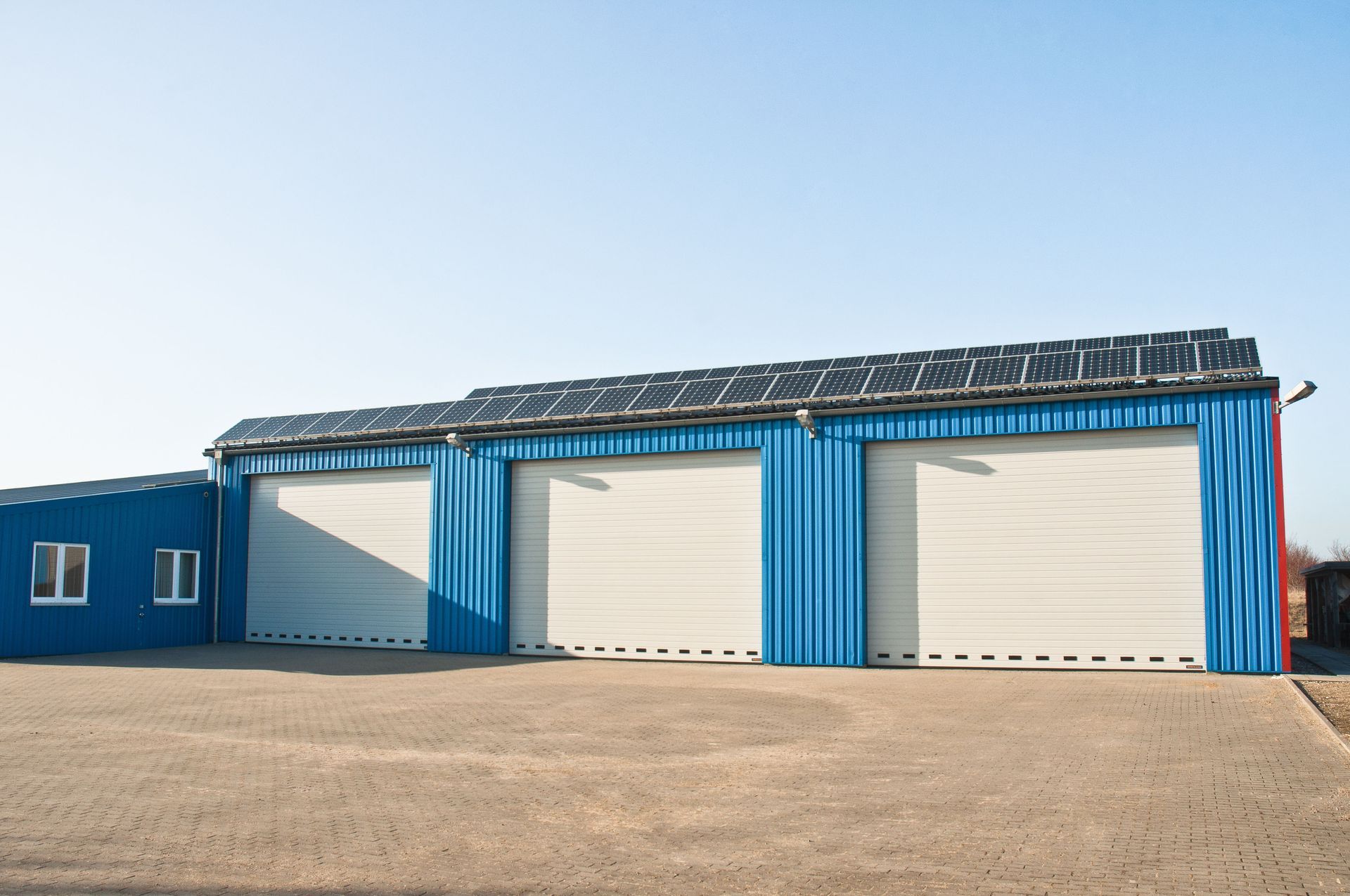
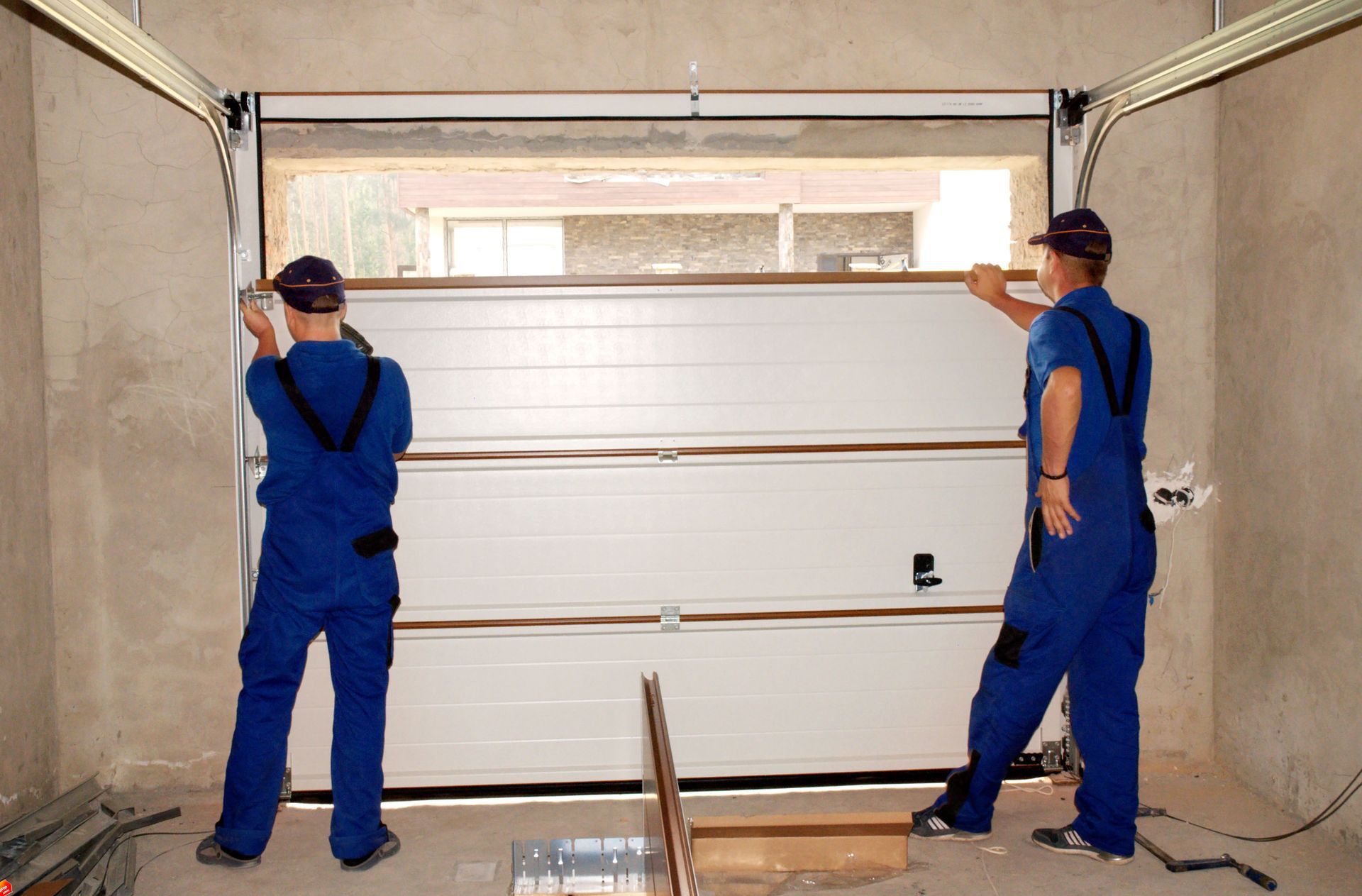
The foundational build of these entry systems represents one of the most prominent contrasts between residential and commercial applications. Home systems are typically constructed from lighter materials like wood, fiberglass, or standard-gauge steel. These materials are perfectly suited for typical household use, providing adequate protection without putting excessive strain on the opening mechanisms. On the other hand, commercial systems demand heavy-duty materials such as thick galvanized steel or industrial-grade aluminum to withstand rigorous daily operations. These commercial structures often feature reinforced panels and specialized track systems designed to support immense weight and constant movement. The size requirements also vary drastically. Home systems usually accommodate standard personal vehicles, whereas commercial systems must often accommodate large delivery trucks, forklifts, and bulky equipment. Because the structural demands are so varied, consulting with a professional garage door service ensures that the framing, tracks, and panels are appropriate for the intended environment. Expert installers understand how to reinforce commercial tracks to prevent bending and how to perfectly balance lighter residential panels to ensure smooth, reliable movement every time the entryway is engaged.
Comparing Aesthetic Options
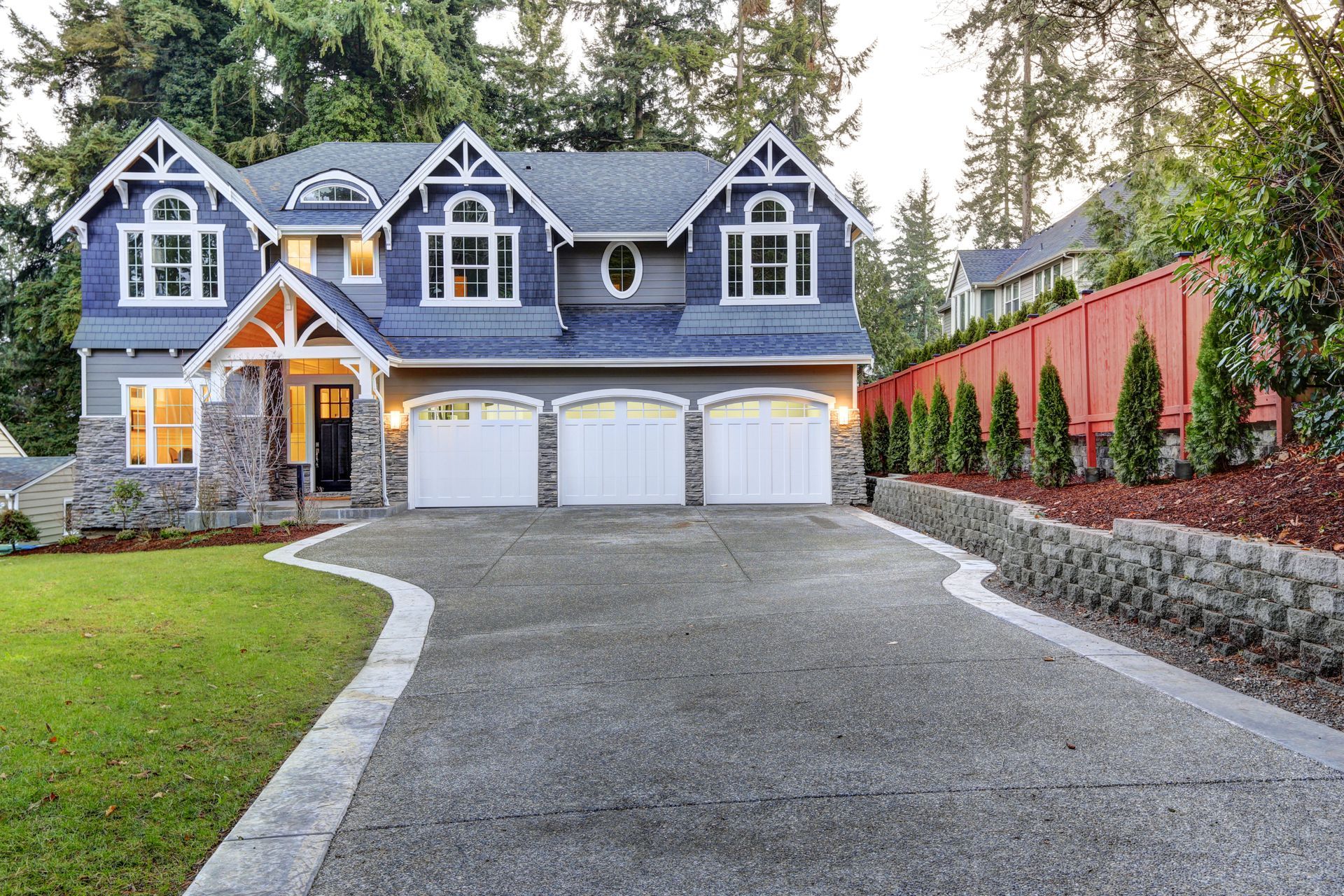
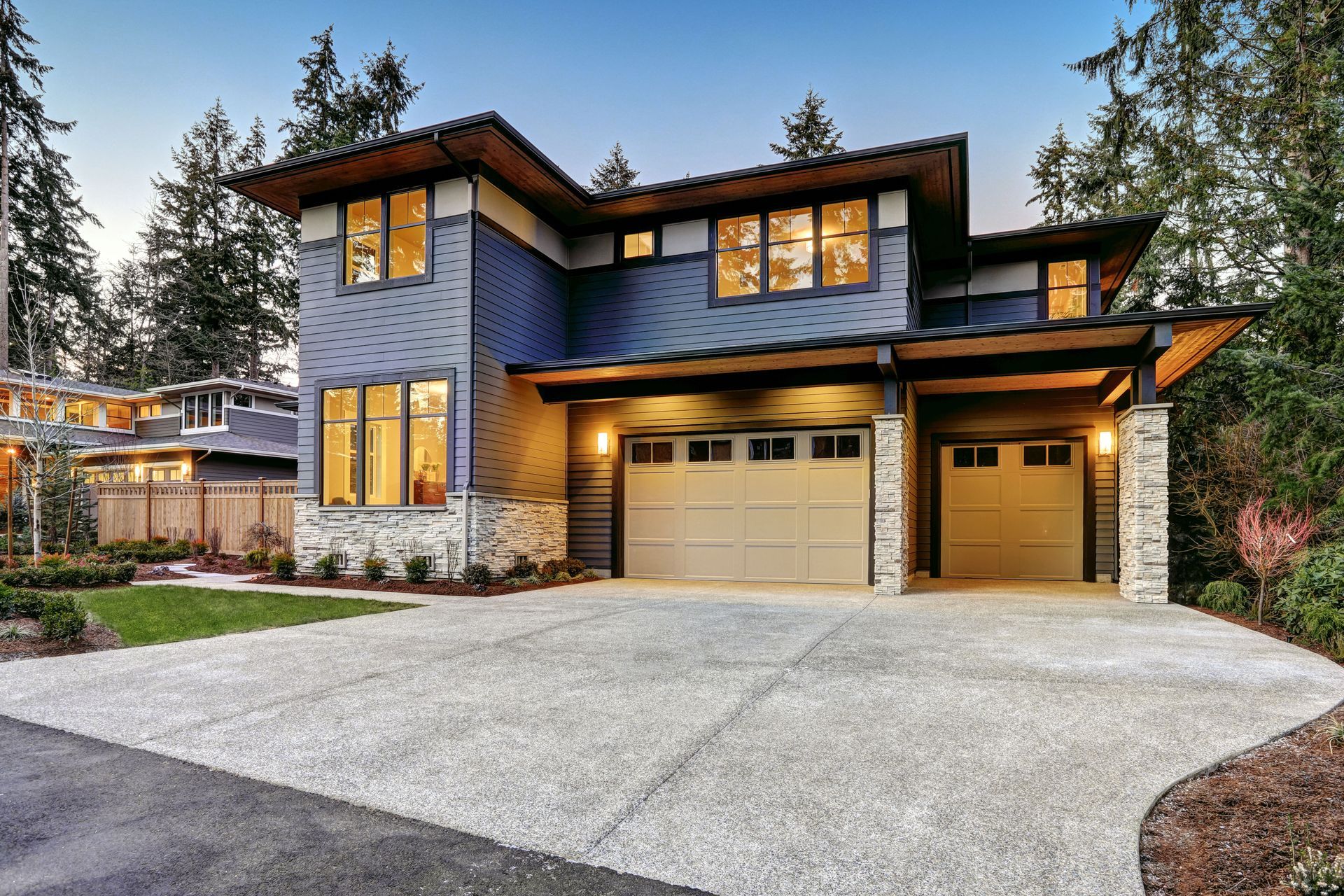
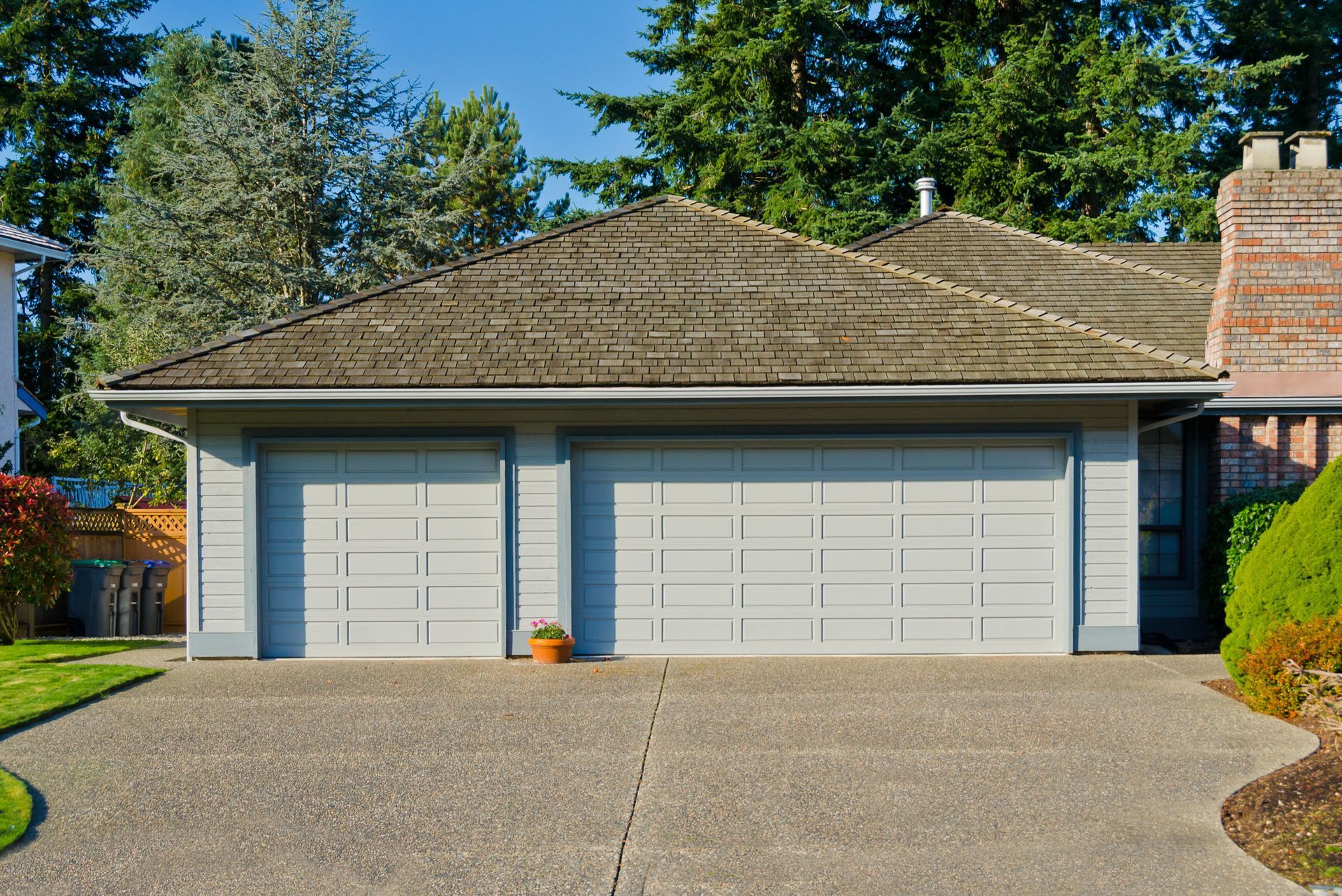
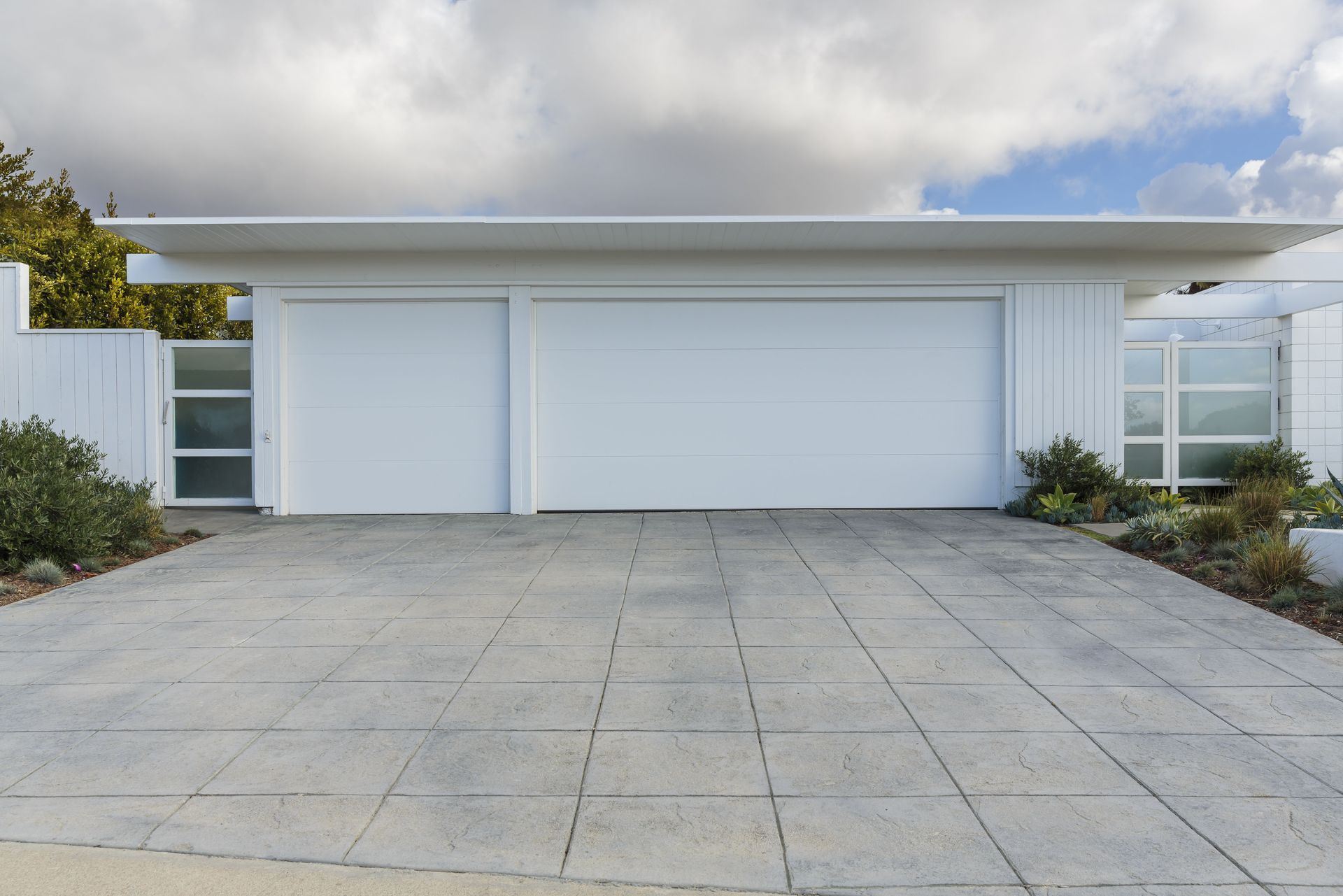
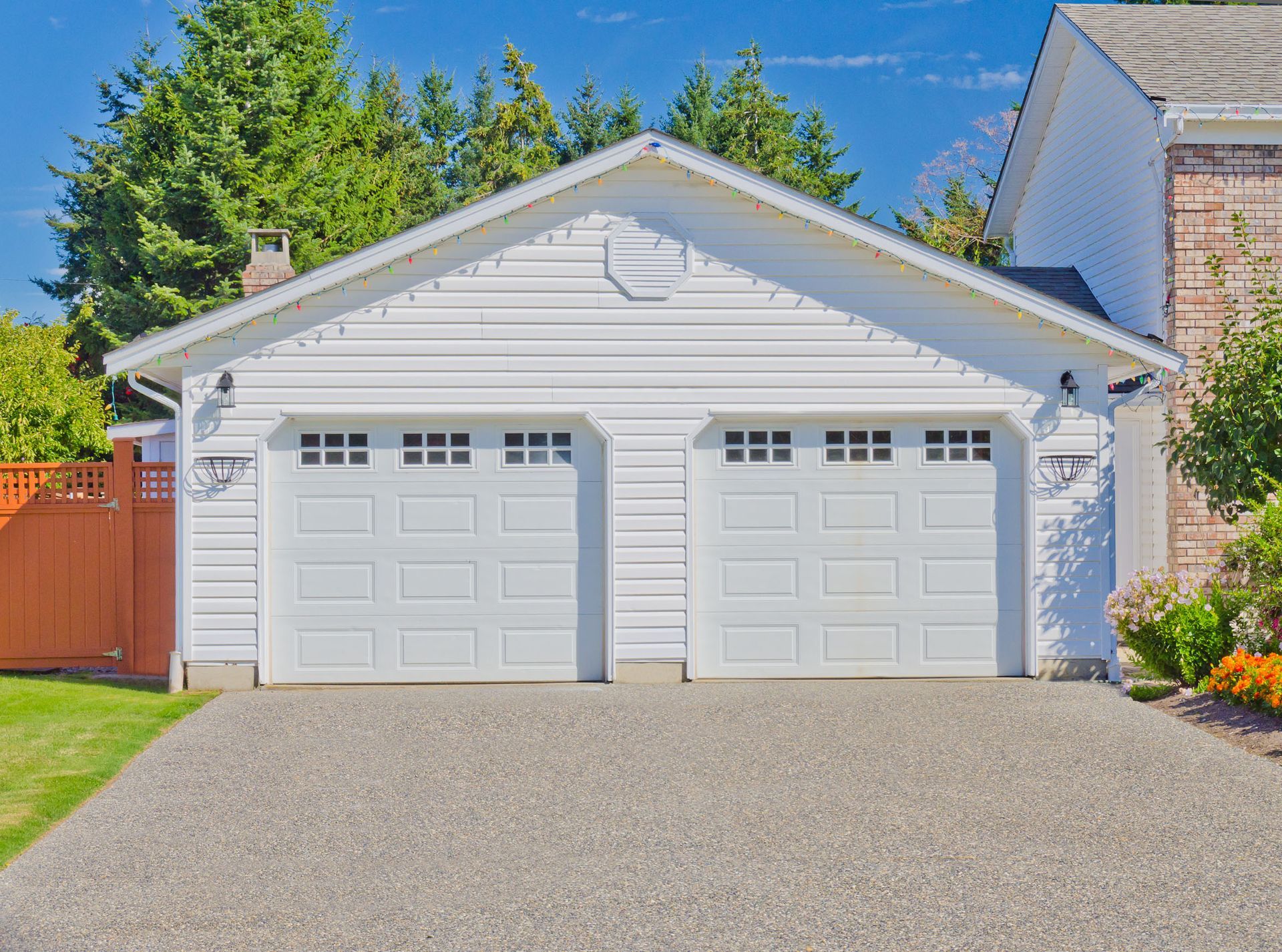
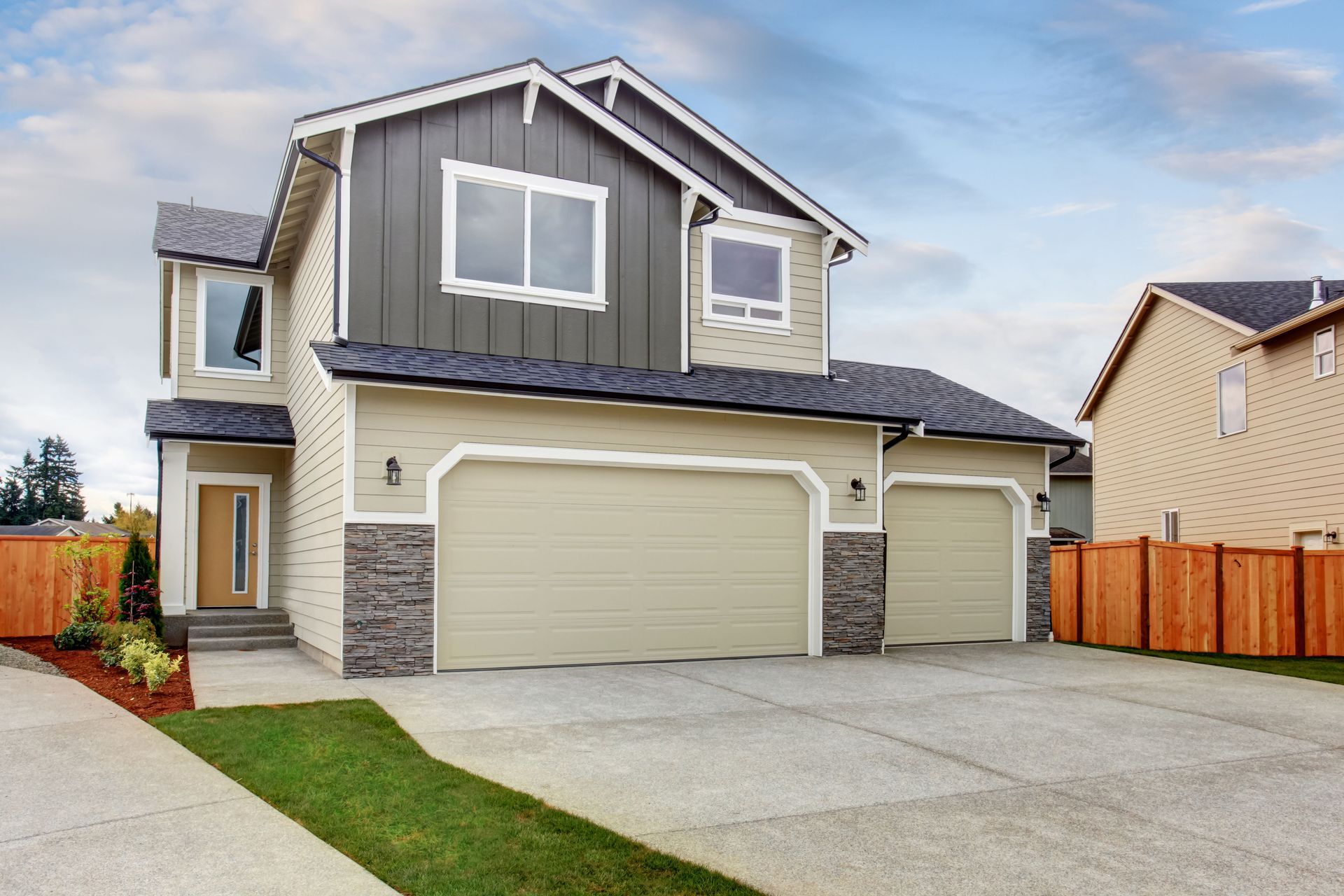
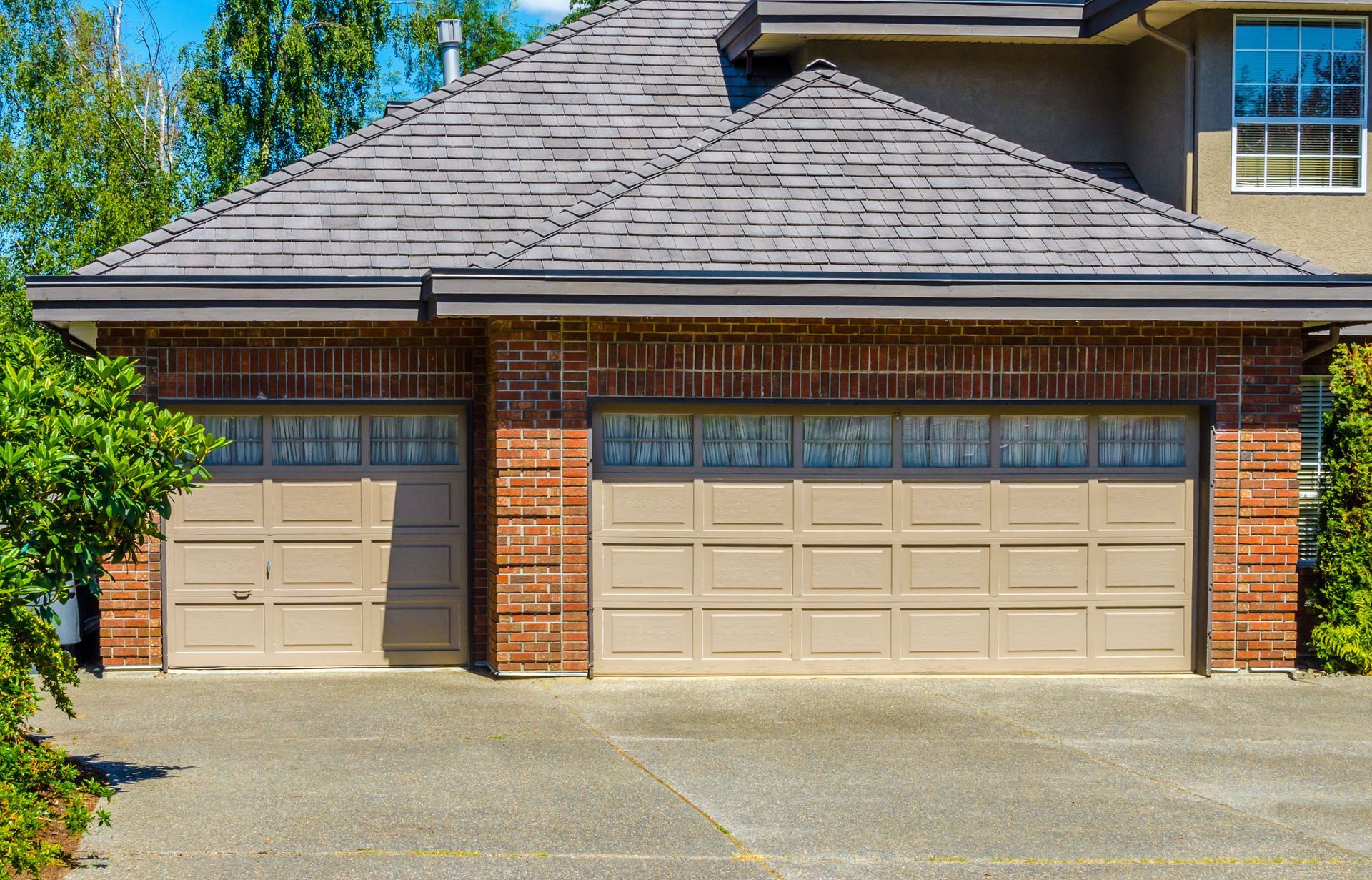
Visual appeal plays a vastly different role depending on the setting of the property. For a homeowner, the exterior appearance of their residence is a major priority, and the entryway often takes up a significant portion of the home's facade. Residential systems offer a wide array of stylistic choices, ranging from traditional carriage-house designs with decorative hardware to sleek, contemporary glass panels. Property owners can choose specific colors, textures, and window placements to perfectly complement their home's architectural style. Conversely, commercial systems prioritize function over form. While some businesses, like modern restaurants or auto showrooms, might opt for full-view glass designs, the vast majority of commercial facilities require basic, utilitarian appearances. Industrial warehouses and loading docks favor solid, unadorned steel panels that prioritize security and ease of operation over intricate designs. Regardless of whether you are focusing on high-end residential curb appeal or practical industrial utility, enlisting a reputable garage door service guarantees that your chosen system is installed flawlessly. Proper installation ensures that aesthetic elements like custom paint jobs or delicate window inserts are not damaged during the setup process.
Evaluating Durability Requirements
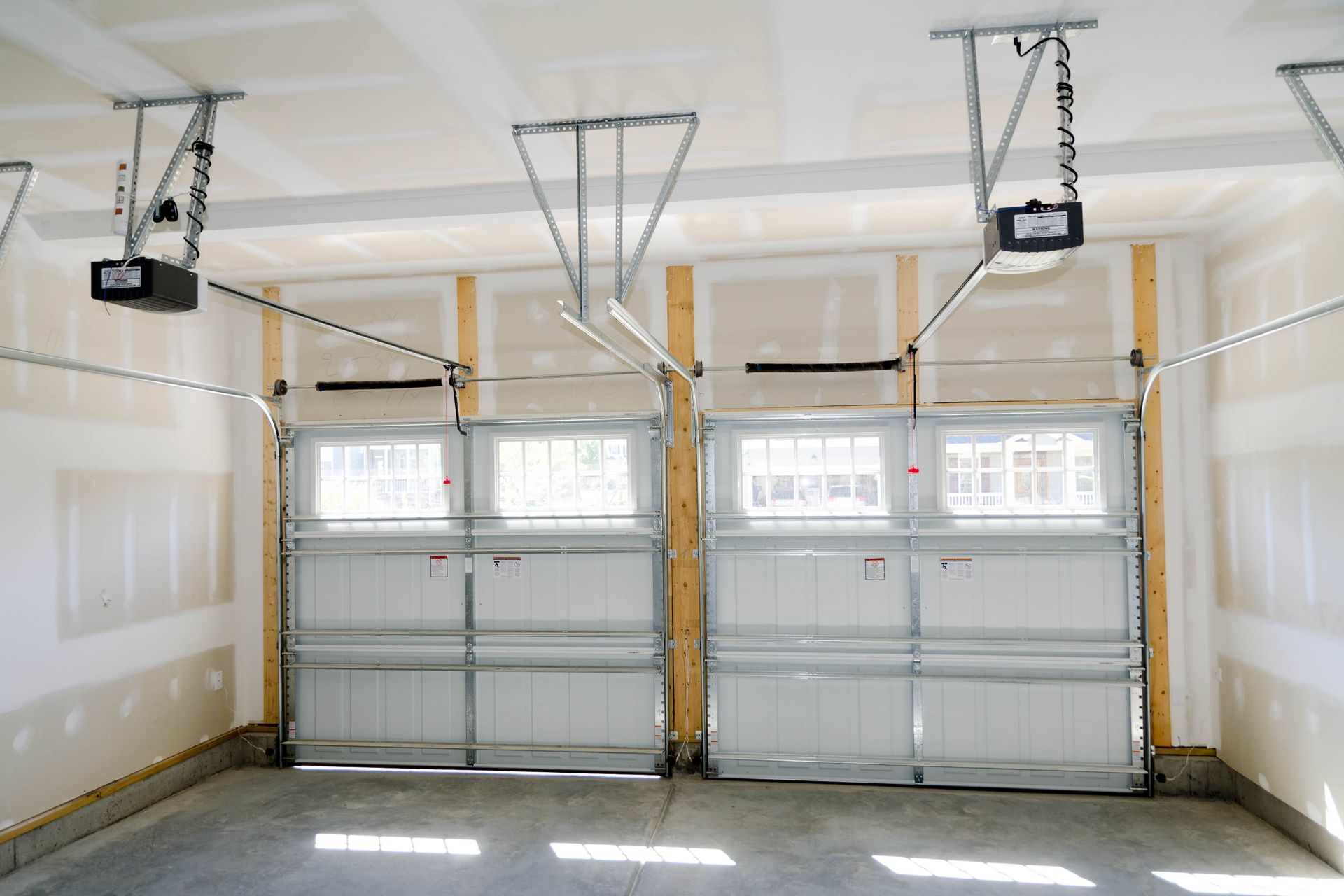
The level of endurance required for daily operations dictates another major distinction between these two categories. Residential systems are generally designed to open and close only a few times a day as family members leave for work, return home, or run errands. Because the frequency of use is relatively low, the springs, cables, and motors are built for moderate wear and tear. Commercial environments present a completely different challenge. A warehouse or distribution center might require the entryway to open and close continuously throughout a single shift. To accommodate this high-volume usage, commercial systems utilize heavy-duty torsion springs, robust cables, and industrial-strength motors capable of handling relentless cycles without failure. These systems must also withstand harsh environmental conditions and potential impacts from heavy machinery. Utilizing a knowledgeable garage door service helps property owners assess their specific durability needs accurately. A professional technician can evaluate the expected daily cycle count and recommend the precise grade of hardware required to prevent premature breakdowns, ensuring that the system remains functional and safe regardless of the demanding conditions it faces.
Assessing Technological Advancements
Modern technology has transformed how we operate property entryways, but the implementation of these advancements varies by application. In residential settings, convenience and smart home integration are the primary focus. Homeowners often look for features like smartphone connectivity, battery backups, and ultra-quiet belt-drive motors that do not disturb the household. Advanced safety sensors that reverse the system if a child or pet crosses the threshold are also standard in homes. Commercial settings utilize technology to maximize security and streamline operations. Industrial openers often feature heavy-duty chain drives or jackshaft motors designed for maximum lifting power rather than quiet operation. Advanced access control systems, including keypad entries, magnetic card readers, and fleet management integrations, are common in commercial facilities. To properly integrate these complex systems, relying on an experienced garage door service is highly recommended. Technicians can seamlessly connect smart home hubs for residential clients or configure intricate access networks for commercial properties, ensuring that the technology enhances user experience and security without causing frustrating glitches or operational delays.
Reviewing Maintenance Procedures
Upkeep is an unavoidable aspect of property management, but the scope of maintenance differs significantly between home and business settings. Residential systems generally require straightforward, routine care. Homeowners can perform basic tasks such as lubricating hinges, testing the auto-reverse safety feature, and visually inspecting the weatherstripping. However, professional oversight remains crucial. According to Realtor.com, maintenance checks on garage door tracks should be done at least twice a year. Commercial systems require a far more rigorous and specialized approach. Because these industrial mechanisms endure constant stress, their maintenance protocols involve detailed inspections of heavy-duty springs, commercial-grade cables, and specialized hoists. Neglecting the maintenance of a commercial system can lead to severe operational disruptions, safety hazards, and significant financial losses. Establishing a routine schedule with a dedicated garage door service is the best way to maintain the integrity of both residential and commercial systems. Regular professional inspections help identify microscopic signs of wear before they escalate into major failures, extending the lifespan of the equipment and keeping your property secure and accessible at all times.
Choosing the correct entry system requires a thorough understanding of how structural materials, aesthetic designs, durability ratings, and technological features align with your specific property needs. Whether you are upgrading the curb appeal of your private residence with a stylish, quiet system or fortifying a bustling industrial warehouse with heavy-duty, high-cycle hardware, the differences in these systems dictate their overall performance and longevity. Taking the time to evaluate your daily usage and maintenance capabilities ensures you make a sound investment. Keeping these vital access points functioning smoothly requires professional expertise and routine care. When you are ready to explore your options or schedule routine maintenance with a reliable garage door service, call Garage Door Operators Inc today to learn more.
Share On: